

ಅನುದಾನ: ಸಮ್ಮೇಳನ
Who?
ಗುಂಪುಗಳು, ವ್ಯಕ್ತಿಗಳು, ವಿಕಿಮೀಡಿಯ ಅಂಗಸಂಸ್ಥೆಗಳು ಅಥವಾ ಸಂಸ್ಥೆಗಳು ವಿಕಿಮೀಡಿಯನ್ನರು ಒಟ್ಟಿಗೆ ತರಲು ಬಯಸುತ್ತಿವೆ
What?
ಸ್ಥಳೀಯ, ಪ್ರಾದೇಶಿಕ ಮತ್ತು ವಿಷಯಾಧಾರಿತ ಸಮ್ಮೇಳನಗಳು ಹಂಚಿಕೆ, ಕೌಶಲ್ಯ-ನಿರ್ಮಾಣ ಮತ್ತು ನೆಟ್ವರ್ಕಿಂಗ್ ಮೇಲೆ ಕೇಂದ್ರೀಕೃತವಾಗಿವೆ.
When?
೩ ತಿಂಗಳ ಸಂಸ್ಕರಣಾ ಸಮಯ, ವರ್ಷದಲ್ಲಿ ೨ ಸುತ್ತುಗಳು
How much?
೧೦,೦೦೦ ಯು.ಎಸ್.ಡಿ ನಿಂದ ಪ್ರಾರಂಭವಾಗುತ್ತದೆ
ಅರ್ಜಿ ಸಲ್ಲಿಸುವುದು ಹೇಗೆ?
- ನಿಧಿಯ ಬಗ್ಗೆ ಮತ್ತು ಈವೆಂಟ್ ಅನ್ನು ಹೇಗೆ ಯೋಜಿಸುವುದು ಎಂಬುದರ ಕುರಿತು ಕೆಳಗೆ ಓದಿ.
- ಟೈಮ್ಲೈನ್ಗಳು ಮತ್ತು ಪ್ರಕ್ರಿಯೆಯನ್ನು ಚರ್ಚಿಸಲು conferencegrants
 wikimedia.org ನಲ್ಲಿ ಪ್ರೋಗ್ರಾಂ ಅಧಿಕಾರಿ ಅನ್ನು ಸಂಪರ್ಕಿಸಿ. ಯಾವ ಸುತ್ತಿಗೆ ಅರ್ಜಿ ಸಲ್ಲಿಸಬೇಕು ಎಂಬುದನ್ನು ಅರ್ಥಮಾಡಿಕೊಳ್ಳಲು ಅವರು ನಿಮಗೆ ಸಹಾಯ ಮಾಡುತ್ತಾರೆ ಮತ್ತು ಪ್ರಕ್ರಿಯೆಯಲ್ಲಿ ನಿಮ್ಮನ್ನು ಬೆಂಬಲಿಸುತ್ತಾರೆ. ಅನುದಾನ ಸುತ್ತು ಪ್ರಾರಂಭವಾಗುವ ಎರಡು ತಿಂಗಳ ಮೊದಲು ಸಂಪರ್ಕಿಸಲು ಉತ್ತಮ ಸಮಯ.
 - ವಿಕಿಮೀಡಿಯಾ ಫೌಂಡೇಶನ್ ಗ್ರ್ಯಾಂಟೀ ಪೋರ್ಟಲ್ (ಫ್ಲಕ್ಸ್) ಗೆ ಹೋಗಿ ಮತ್ತು ಲಾಗ್ ಇನ್ ಮಾಡಿ.
- ನೀವು ಖಾತೆಯನ್ನು ಹೊಂದಿಲ್ಲದಿದ್ದರೆ, ಈಗ ನೋಂದಾಯಿಸಿ ಕ್ಲಿಕ್ ಮಾಡಿ ಮತ್ತು ವಿನಂತಿಸಿದ ಮಾಹಿತಿಯನ್ನು ಒದಗಿಸಿ. ಒಂದು ಕೆಲಸದ ದಿನದೊಳಗೆ ನಿಮ್ಮ ನೋಂದಣಿಯ ದೃಢೀಕರಣವನ್ನು ನೀವು ಸ್ವೀಕರಿಸುತ್ತೀರಿ.
- ಮುಖ್ಯ ಪುಟದಲ್ಲಿರುವ ಸಮ್ಮೇಳನ ಮತ್ತು ಈವೆಂಟ್ ಫಂಡ್ಗಾಗಿ ಅನ್ವಯಿಸು ಬಟನ್ ಅನ್ನು ಆಯ್ಕೆಮಾಡಿ. ಅಪ್ಲಿಕೇಶನ್ ಅನ್ನು ಉಳಿಸಲು ,ಉಳಿಸಿ ಮತ್ತು ಮುಂದುವರಿಸಿ ಅಥವಾ ಉಳಿಸಿ ಮತ್ತು ಮುಚ್ಚಿ ಕ್ಲಿಕ್ ಮಾಡಿ.
- ಅರ್ಜಿ ನಮೂನೆಯ ಸೂಚನೆಗಳನ್ನು ಅನುಸರಿಸಿ. ನಿಮ್ಮ ಈವೆಂಟ್ ಕುರಿತು ನೀವು ಮಾಹಿತಿಯನ್ನು ನೀಡಬೇಕಾಗುತ್ತದೆ ಮತ್ತು ಕೆಲವು ದಾಖಲೆಗಳನ್ನು ಅಪ್ಲೋಡ್ ಮಾಡಬೇಕಾಗುತ್ತದೆ.
- ಪರಿಶೀಲನೆಗಾಗಿ ಅರ್ಜಿಯನ್ನು ಸಲ್ಲಿಸಲು ಸಲ್ಲಿಸು ಕ್ಲಿಕ್ ಮಾಡಿ.
- ನಾವು ಯಾವುದೇ ಭಾಷೆಯಲ್ಲಿ ಅರ್ಜಿಗಳನ್ನು ಸ್ವೀಕರಿಸುತ್ತೇವೆ. ಅಗತ್ಯವಿರುವಂತೆ ಅಪ್ಲಿಕೇಶನ್ಗಳು ಮತ್ತು ಚರ್ಚೆಗಳಿಗೆ ಅನುವಾದವನ್ನು ನಾವು ಬೆಂಬಲಿಸುತ್ತೇವೆ.
- ಅಪ್ಲಿಕೇಶನ್ಗಳನ್ನು ಎರಡು ದಿನಗಳಲ್ಲಿ ಸ್ವಯಂಚಾಲಿತವಾಗಿ ಮೆಟಾ-ವಿಕಿಯಲ್ಲಿ ಪ್ರಕಟಿಸಲಾಗುತ್ತದೆ. ಸಮುದಾಯ ವಿಮರ್ಶೆ ಮತ್ತು ಪ್ರತಿಕ್ರಿಯೆಗಾಗಿ ಇದನ್ನು ಮಾಡಲಾಗುತ್ತದೆ.
- ನೀವು ಅಪ್ಲಿಕೇಶನ್ ಅನ್ನು ಆಫ್ಲೈನ್ನಲ್ಲಿ ಸಿದ್ಧಪಡಿಸಬಹುದು. ಅರ್ಜಿ ನಮೂನೆಯ ನಕಲನ್ನು ಮಾಡಿ, ಪ್ರಶ್ನೆಗಳಿಗೆ ಉತ್ತರಿಸಿ ಮತ್ತು ಪಠ್ಯವನ್ನು ಫ್ಲಕ್ಸ್ ಗೆ ನಕಲಿಸಿ.

ನಾವು ಹೇಗೆ ಹಣ ಒದಗಿಸುತ್ತೇವೆ?
ಕಾನ್ಫರೆನ್ಸ್ ಮತ್ತು ಈವೆಂಟ್ ಫಂಡ್ ಸ್ಥಳೀಯ ಅಥವಾ ಪ್ರಾದೇಶಿಕ ಸಮ್ಮೇಳನಗಳನ್ನು ಆಯೋಜಿಸಲು ಧನಸಹಾಯ ಮತ್ತು ಯೋಜನೆ ಬೆಂಬಲವನ್ನು ನೀಡುತ್ತದೆ. ಈ ಘಟನೆಗಳು ವಿಕಿಮೀಡಿಯನ್ನರನ್ನು ಅನುಭವ ಹಂಚಿಕೆ, ಕೌಶಲ್ಯ-ನಿರ್ಮಾಣ ಮತ್ತು ನೆಟ್ವರ್ಕಿಂಗ್ಗಾಗಿ ಒಟ್ಟಿಗೆ ತರುತ್ತವೆ.
ನಾವು ಈ ಕೆಳಗಿನ ಪ್ರಸ್ತಾವನೆಗಳಿಗೆ ಆದ್ಯತೆ ನೀಡುತ್ತೇವೆ:
- ಸಾಮರ್ಥ್ಯ ವೃದ್ಧಿಯನ್ನು ಮುಖ್ಯ ಗುರಿಯಾಗಿ ಹೊಂದಿರುವ ಕಡಿಮೆ ಪ್ರಾತಿನಿಧ್ಯದ ಸಮುದಾಯಗಳು.
- ವಿಕಿಮೀಡಿಯಾ ೨೦೩೦ ಸ್ಟ್ರಾಟಜಿ ಶಿಫಾರಸುಗಳ ಅನುಷ್ಠಾನಕ್ಕೆ ಬೆಂಬಲ.
- ವಿಕಿಮೀಡಿಯಾ ಮೂಮೆಂಟನ ಪ್ರಾದೇಶಿಕ, ವಿಷಯಾಧಾರಿತ, ಬೆಳವಣಿಗೆ ಗುಂಪುಗಳನ್ನು ರಚಿಸಲು ಅಂಗಸಂಸ್ಥೆಗಳೊಂದಿಗೆ ಪಾಲುದಾರರಾಗಿ.
- ನಮ್ಮ ಜಾಗತಿಕ ವ್ಯಾಪ್ತಿಯನ್ನು ವಿಸ್ತರಿಸುವ ಮೂಲಕ ತೆರೆದ ಜ್ಞಾನ ಸಂಸ್ಥೆಗಳೊಂದಿಗೆ ಸಂಪರ್ಕ ಮತ್ತು ಪಾಲುದಾರಿಕೆಯನ್ನು ಸೇರಿಸಿ.
- ಹೊಸಬರನ್ನು ತೊಡಗಿಸಿಕೊಳ್ಳುವ ಯೋಜನೆಯೊಂದಿಗೆ, ಹೊಸದಾಗಿ ಭಾಗವಹಿಸುವವರು ಮತ್ತು ಕೊಡುಗೆಗಳನ್ನು ಸಬಲಗೊಳಿಸಿ.
- ವೈಯಕ್ತಿಕ ಸಭೆಯ ಬದಲಾಗಿ ವರ್ಚುವಲ್ ಈವೆಂಟ್ಗಳು ರಚಿಸುತ್ತಿದ್ದಾರೆ.
ಗಮನಿಸಿ: ೫,೦೦೦ ಯು.ಎಸ್.ಡಿ ಅಡಿಯಲ್ಲಿ ಅನುದಾನಕ್ಕಾಗಿ, ದಯವಿಟ್ಟು ರಾಪಿಡ್ ಫಂಡ್ ಪ್ರೋಗ್ರಾಂ ಅನ್ನು ನೋಡಿ.
ನಿಧಿಯನ್ನು ಸಾಮಾನ್ಯವಾಗಿ ಮೂರು ವಿಶಾಲ ವರ್ಗಗಳ ಮೂಮೆಂಟ್ ಘಟನೆಗಳಿಗೆ ನೀಡಲಾಗುತ್ತದೆ:'
- ಗ್ಲಾಮ್ ಬೂಟ್ಕ್ಯಾಂಪ್, ವಿಕಿಮಹಿಳಾ ಶಿಬಿರ ಮತ್ತು ವಿಕಿ ಲವ್ಸ ಮೊನ್ಯುಮೆಂಟ್ಸ್ ಅಂತರಾಷ್ಟ್ರೀಯ ತಂಡದ ಕಾರ್ಯತಂತ್ರ ಸಭೆಯಂತಹ ವಿಷಯಾಧಾರಿತ ಘಟನೆಗಳು
- ವವಿಕಿಕಾನ್ಫರೆನ್ಸ್ ಭಾರತ, ವಿಕಿಕಾನ್ಫರೆನ್ಸ್ ಉತ್ತರ ಅಮೇರಿಕಾ ಮತ್ತು ಪ್ರಾದೇಶಿಕ ಅಂಗಸಂಸ್ಥೆ ಸಭೆಗಳಾದ ವಿಕಿಅರೇಬಿಯಾ, ಸಿಇಇ ಸಭೆ ಮತ್ತು ವಿಕಿ ಇಂದಬಾ ನಂತಹ ರಾಷ್ಟ್ರೀಯ ಮತ್ತು ಪ್ರಾದೇಶಿಕ ಸಮ್ಮೇಳನಗಳು
- ಹೊಸ ನವೀನ ವಿಚಾರಗಳ ಮೇಲೆ ಕೇಂದ್ರೀಕರಿಸುವ ಬೆಳವಣಿಗೆಯ ಘಟನೆಗಳು ಮತ್ತು ಮೂಮೆಂಟಿನ ಬೆಳವಣಿಗೆಯ ಮೇಲೆ ಕೇಂದ್ರೀಕರಿಸುವ ಘಟನೆಗಳು
ಅರ್ಹತೆಯ ಅವಶ್ಯಕತೆಗಳು
ಈ ನಿಧಿ ನಿಮಗಾಗಿ ಆಗಿದೆ::
- ಯಾವುದೇ ಅತ್ಯುತ್ತಮ ವರದಿಗಳಿಲ್ಲದ ಗುಂಪು ಅಥವಾ ಸಂಸ್ಥೆಯಾಗಿದೆ. ನೀವು ಮತ್ತು ಹಣಕಾಸಿನ ಪ್ರಾಯೋಜಕರು ನಮ್ಮ ಧನಸಹಾಯ ಮತ್ತು ವಿಕಿಮೀಡಿಯಾ ಫೌಂಡೇಶನ್ ಒಪ್ಪಂದಗಳಿಗೆ ಅನುಗುಣವಾಗಿರಬೇಕು
- ಸಂಸ್ಥೆ ಅಥವಾ ಹಂಚಿದ ಬ್ಯಾಂಕ್ ಖಾತೆಯನ್ನು ಹೊಂದಿರಿ. ಯಾವುದೇ ಹಂಚಿಕೆಯ ಬ್ಯಾಂಕ್ ಖಾತೆಯನ್ನು ಹೊಂದಿರದ ಗುಂಪುಗಳು ಮತ್ತು ವ್ಯಕ್ತಿಗಳು ಹಣಕಾಸಿನ ಪ್ರಾಯೋಜಕರನ್ನು ಹೊಂದಿರಬೇಕು.
- ಈ ಮೊದಲು ವಿಕಿಮೀಡಿಯಾ ಫೌಂಡೇಶನ್ ನಿಧಿಯನ್ನು ಪಡೆದಿದ್ದೇನೆ. ನೀವು ಈ ಮೊದಲು ೫೦೦೦ ಯುಎಸ್ಡಿಗಿಂತ ಹೆಚ್ಚಿನ ಹಣವನ್ನು ಸ್ವೀಕರಿಸದಿದ್ದರೆ, ಚರ್ಚಿಸಲು conferencegrantswikimedia.org ಅನ್ನು ಸಂಪರ್ಕಿಸಿ.
- ಭವಿಷ್ಯದಲ್ಲಿ, ಯೋಜಿತ ಕಾರ್ಯಕ್ರಮ ಅಥವಾ ಸಮ್ಮೇಳನವನ್ನು ಆಯೋಜಿಸಲು ಅರ್ಜಿ ಸಲ್ಲಿಸುತ್ತಿದ್ದಾರೆ.
- ಅಂತಾರಾಷ್ಟ್ರೀಯ ಅಥವಾ ಪ್ರಾದೇಶಿಕ ಸಮ್ಮೇಳನವನ್ನು ಆಯೋಜಿಸಲು ಬಯಸುವ ವಿಕಿಮೀಡಿಯಾ ಅಂಗಸಂಸ್ಥೆ. ಗ್ಲ್ಯಾಮ್ವಿಕಿ ಸಮ್ಮೇಳನ, ವಿಕಿಸೋರ್ಸ್ ಸಮ್ಮೇಳನ, ವಿಕಿಂಡಾಬಾ, ಸಿಇಇ ಸಭೆಗಳು ಇದಕ್ಕೆ ಉದಾಹರಣೆಗಳಾಗಿವೆ.
- ನೀವು ಯುನೈಟೆಡ್ ಸ್ಟೇಟ್ಸ್ ಮತ್ತು ಅವರ ದೇಶದಲ್ಲಿ ಹಣವನ್ನು ಕಳುಹಿಸುವ ಮತ್ತು ಸ್ವೀಕರಿಸುವ ಕಾನೂನುಗಳ ಆಧಾರದ ಮೇಲೆ ವಿವರಿಸಿದ ಚಟುವಟಿಕೆಗಳು ಮತ್ತು ವೆಚ್ಚಗಳಿಗೆ ಕಾನೂನುಬದ್ಧವಾಗಿ ಹಣವನ್ನು ಪಡೆಯಲು ಸಾಧ್ಯವಾಗದ ದೇಶದಿಂದ ಬಂದವರು.
- ಯುನೈಟೆಡ್ ಸ್ಟೇಟ್ಸ್ ಆಂತರಿಕ ಆದಾಯ ಸೇವೆಯ ವ್ಯಾಖ್ಯಾನಗಳ ಪ್ರಕಾರ ಯೋಜನೆಯು ಲಾಬಿಯಿಂಗ್ ಚಟುವಟಿಕೆಗಳನ್ನು ಒಳಗೊಂಡಿದೆ.
- ನಿಮ್ಮನ್ನು [$url ಯುನೈಟೆಡ್ ಸ್ಟೇಟ್ಸ್ ಖಜಾನೆ ಇಲಾಖೆ ವಿಶೇಷವಾಗಿ ಗೊತ್ತುಪಡಿಸಿದ ರಾಷ್ಟ್ರೀಯರು ಮತ್ತು ನಿರ್ಬಂಧಿತ ವ್ಯಕ್ತಿಗಳ ಪಟ್ಟಿಯಲ್ಲಿ] (ಎಸ್.ಡಿ.ಎನ್) ಪಟ್ಟಿ ಮಾಡಲಾಗಿದೆ.
- ವಿಕಿಮೀಡಿಯಾ ಫೌಂಡೇಶನ್ನಿಂದ ಹಣವನ್ನು ಪಡೆಯಲು ಅಗತ್ಯವಿರುವ ಎಲ್ಲಾ ಮಾಹಿತಿ ಮತ್ತು ದಾಖಲೆಗಳನ್ನು ನೀವು ಒದಗಿಸುವುದಿಲ್ಲ.
ನಾವು ಎಲ್ಲಾ ಅರ್ಜಿದಾರರನ್ನು ಡ್ಯೂ ಡಿಲಿಜೆನ್ಸ್ ಪ್ರಕ್ರಿಯೆಯ ಮೂಲಕ ತೆಗೆದುಕೊಳ್ಳುತ್ತೇವೆ. ಇದರರ್ಥ ನೀವು ನೈತಿಕವಾಗಿ ಉತ್ತಮ ಸ್ಥಿತಿಯಲ್ಲಿರಬೇಕು, (ಉದಾ. ವಿಕಿಮೀಡಿಯಾ ನಡವಳಿಕೆ, ಸಾಮಾಜಿಕ ನಡವಳಿಕೆ, ಹಣಕಾಸಿನ ನಡವಳಿಕೆ, ಕಾನೂನು ನಡವಳಿಕೆ, ಇತ್ಯಾದಿ).
- ಅರ್ಜಿದಾರರು ಸಾರ್ವತ್ರಿಕ ನೀತಿ ಸಂಹಿತೆ ಮತ್ತು ಸ್ನೇಹಿ ಬಾಹ್ಯಾಕಾಶ ನೀತಿಗಳನ್ನು ಅನುಸರಿಸಬೇಕು.
ಅಪ್ರಾಪ್ತ ಸಮುದಾಯದ ಸದಸ್ಯರನ್ನು ಒಳಗೊಂಡಿರುವ ಯಾವುದೇ ಚಟುವಟಿಕೆಗಾಗಿ ಯುವ ಸುರಕ್ಷತಾ ನೀತಿ ಜಾರಿಯಲ್ಲಿರಬೇಕು.
- ಪ್ರಸ್ತಾಪವು ಮಕ್ಕಳು ಅಥವಾ ಯುವಕರೊಂದಿಗೆ ನೇರ ಸಂಪರ್ಕವನ್ನು ಸೂಚಿಸಿದರೆ, ಇದು ಮಕ್ಕಳು ಮತ್ತು ಯುವಕರೊಂದಿಗೆ ಕೆಲಸ ಮಾಡಲು ಅಂತರರಾಷ್ಟ್ರೀಯ ಮತ್ತು ಸ್ಥಳೀಯ ಕಾನೂನುಗಳ ಅನುಸರಣೆಯನ್ನು ಸಹ ರೂಪಿಸುತ್ತದೆ ಮತ್ತು ಅನುಬಂಧದಲ್ಲಿ ಸ್ಥಳೀಯ ಕಾನೂನುಗಳ ದಾಖಲೆಯನ್ನು ಒದಗಿಸುತ್ತದೆ.
- ಯೋಜನೆಯ ಎಲ್ಲಾ ಚಟುವಟಿಕೆಗಳಲ್ಲಿ ಯುವಜನರ ಸುರಕ್ಷಿತ ಭಾಗವಹಿಸುವಿಕೆಯನ್ನು ಅವರು ಹೇಗೆ ಖಚಿತಪಡಿಸಿಕೊಳ್ಳುತ್ತಾರೆ ಎಂಬುದನ್ನು ಪ್ರಸ್ತಾವನೆಯು ತೋರಿಸುತ್ತದೆ.
- ಯುವಜನರೊಂದಿಗೆ ನಿಕಟ ಸಂಪರ್ಕದಲ್ಲಿ ಕೆಲಸ ಮಾಡುವ ಯಾವುದೇ ವಯಸ್ಕರನ್ನು ಸರಿಯಾಗಿ ಪರೀಕ್ಷಿಸಿ ತರಬೇತಿ ನೀಡಲಾಗಿದೆ ಎಂದು ಈ ಪ್ರಸ್ತಾಪವು ತೋರಿಸುತ್ತದೆ.
- ಯುವಜನರ ದೈಹಿಕ ಮತ್ತು ಮಾನಸಿಕ ಸುರಕ್ಷತೆಗೆ ಸಂಬಂಧಿಸಿದ ಘಟನೆಗಳು ಸಂಭವಿಸಿದ ಸಂದರ್ಭದಲ್ಲಿ ಈ ಪ್ರಸ್ತಾಪವು ಕ್ರಮ ಶಿಷ್ಟಾಚಾರವನ್ನು ರೂಪಿಸುತ್ತದೆ.
Review all compliance requirements 
ಪರಿಶೀಲನೆ ಮತ್ತು ಅರ್ಜಿ ಸಲ್ಲಿಕೆ ಪ್ರಕ್ರಿಯೆ
ಈ ಕೆಳಗಿನ ಮಾನದಂಡಗಳ ಪ್ರಕಾರ ಪ್ರಸ್ತಾಪಗಳನ್ನು ಪರಿಶೀಲಿಸಲಾಗುತ್ತದೆ:
- ಸಮುದಾಯದ ಸಹಭಾಗಿತ್ವ
- ಯೋಜನಾ ಪ್ರಕ್ರಿಯೆಯಲ್ಲಿ ನಿಮ್ಮ ಸಮುದಾಯವನ್ನು ತೊಡಗಿಸಿಕೊಳ್ಳುವ ಗುರಿಯನ್ನು ನೀವು ಹೇಗೆ ಹೊಂದಿದ್ದೀರಿ?
- ಪರಿಣಾಮದ ಸಾಧ್ಯತೆ
- ಈವೆಂಟ್ಗೆ ಪ್ರದರ್ಶಿತ ಅಗತ್ಯವಿದೆಯೇ?
- ಗುರಿಗಳು ಮತ್ತು ಉದ್ದೇಶಿತ ಫಲಿತಾಂಶಗಳನ್ನು ಸ್ಪಷ್ಟವಾಗಿ ವ್ಯಕ್ತಪಡಿಸಲಾಗಿದೆಯೇ, ಹೆಚ್ಚಿನ ಆದ್ಯತೆ ಮತ್ತು ಸಮಂಜಸವಾಗಿ ಸಾಧಿಸಬಹುದೇ?
- ಕಾರ್ಯಕ್ರಮದ ನಂತರ ಮುಂದಿನ ಕ್ರಮ ಕೈಗೊಳ್ಳುವ ಯೋಜನೆ ಇದೆಯೇ?
- ಕಾರ್ಯಗತಗೊಳಿಸಲು ಸಾಮರ್ಥ್ಯ
- ಈವೆಂಟ್ ಅನ್ನು ಯೋಜಿಸಲು ಮತ್ತು ಕಾರ್ಯಗತಗೊಳಿಸಲು ಸಮಯ ಮತ್ತು ಸಾಮರ್ಥ್ಯವನ್ನು ಹೊಂದಿರುವ ಸಾಕಷ್ಟು ಸಮುದಾಯದ ಸದಸ್ಯರು ಇದ್ದಾರೆಯೇ?
ಸಲ್ಲಿಕೆಯ ನಂತರ, ಅರ್ಜಿಯನ್ನು ಈ ಕೆಳಗಿನ ಹಂತಗಳ ಪ್ರಕಾರ ಪ್ರಕ್ರಿಯೆಗೊಳಿಸಲಾಗುತ್ತದೆ:
- ಸಮಿತಿಯ ಪರಿಶೀಲನೆ ಮತ್ತು ಪ್ರಸ್ತಾವನೆಗಳ ಪ್ರತಿಕ್ರಿಯೆ (೧೪ ದಿನಗಳು)
- ಅಗತ್ಯವಿರುವಲ್ಲಿ ಅರ್ಜಿದಾರರು ತಮ್ಮ ಪ್ರಸ್ತಾಪಕ್ಕೆ ಹೊಂದಾಣಿಕೆಗಳನ್ನು ಮಾಡುತ್ತಾರೆ. ಅರ್ಜಿದಾರರಿಗೆ ಅಗತ್ಯವಿದ್ದರೆ, ಅವರು ಕಾರ್ಯಕ್ರಮ ಅಧಿಕಾರಿ ಅಥವಾ ಸಮಿತಿ ಸದಸ್ಯರೊಂದಿಗೆ ದೂರವಾಣಿ ಕರೆಗಳನ್ನು ನಿಗದಿಪಡಿಸಬಹುದು. (೧೪ ದಿನಗಳು)
- ಹಣದ ನಿರ್ಧಾರವನ್ನು ಸಲ್ಲಿಸಿದ ೪ ವಾರಗಳಲ್ಲಿ ಪೋಸ್ಟ್ ಮಾಡಲಾಗುತ್ತದೆ.
- ಅನುಮೋದನೆಯ ನಂತರ, ಕಾರ್ಯಕ್ರಮ ಅಧಿಕಾರಿಯೊಂದಿಗೆ ಮಾಸಿಕ ಚೆಕ್-ಇನ್ ಕರೆಗಳನ್ನು ನಿಗದಿಪಡಿಸಲಾಗುತ್ತದೆ.
ಕಾಲಮಿತಿ
ಫೆಬ್ರವರಿ ೫, ೨೦೨೪
ಸಲ್ಲಿಕೆ ಗಡುವು
ಫೆಬ್ರವರಿ ೬, - ಫೆಬ್ರವರಿ ೨೬,
ಸಿಬ್ಬಂದಿ ಮತ್ತು ಅನುಸರಣೆ ಪರಿಶೀಲನೆ
ಸಮುದಾಯ ವಿಮರ್ಶೆ
ಫೆಬ್ರವರಿ ೨೬, - ಮಾರ್ಚ್ ೪,
ಪ್ರತಿಕ್ರಿಯೆಯನ್ನು ಪಡೆಯುವುದು ಮತ್ತು ಅದರಲ್ಲಿ ತೊಡಗಿಸಿಕೊಳ್ಳುವುದು
ಮಾರ್ಚ್ ೪, - ಮಾರ್ಚ್ ೧೮,
ಸಮಿತಿ ಪರಿಶೀಲನೆ
ಮಾರ್ಚ್ ೨೯, ೨೦೨೪
ನಿರ್ಧಾರಗಳನ್ನು ಪ್ರಕಟಿಸಲಾಗಿದೆ
ಜೂನ್ , - ಡಿಸೆಂಬರ್ , ೨೦೨೪
ಸಮಾರಂಭದ ದಿನಾಂಕಗಳು
ಸೆಪ್ಟೆಂಬರ್ ೨, ೨೦೨೪
ಸಲ್ಲಿಕೆ ಗಡುವು
ಸೆಪ್ಟೆಂಬರ್ ೨, - ಸೆಪ್ಟೆಂಬರ್ ೨೩,
ಸಿಬ್ಬಂದಿ ಮತ್ತು ಅನುಸರಣೆ ಪರಿಶೀಲನೆ
ಸಮುದಾಯ ವಿಮರ್ಶೆ
ಸೆಪ್ಟೆಂಬರ್ ೨೩, - ಸೆಪ್ಟೆಂಬರ್ ೩೦,
ಪ್ರತಿಕ್ರಿಯೆಯನ್ನು ಪಡೆಯುವುದು ಮತ್ತು ಅದರಲ್ಲಿ ತೊಡಗಿಸಿಕೊಳ್ಳುವುದು
ಸೆಪ್ಟೆಂಬರ್ ೩೦, - ಅಕ್ಟೋಬರ್ ೧೪,
ಸಮಿತಿ ಪರಿಶೀಲನೆ
ಅಕ್ಟೋಬರ್ ೨೮, ೨೦೨೪
ನಿರ್ಧಾರಗಳನ್ನು ಪ್ರಕಟಿಸಲಾಗಿದೆ
ಜನವರಿ , - ಜೂನ್ , ೨೦೨೫
ಸಮಾರಂಭದ ದಿನಾಂಕಗಳು
ಫೆಬ್ರವರಿ ೩, ೨೦೨೫
ಸಲ್ಲಿಕೆ ಗಡುವು
ಫೆಬ್ರವರಿ ೩, - ಫೆಬ್ರವರಿ ೨೪,
ಸಿಬ್ಬಂದಿ ಮತ್ತು ಅನುಸರಣೆ ಪರಿಶೀಲನೆ
ಸಮುದಾಯ ವಿಮರ್ಶೆ
ಫೆಬ್ರವರಿ ೨೪, - ಮಾರ್ಚ್ ೩,
ಪ್ರತಿಕ್ರಿಯೆಯನ್ನು ಪಡೆಯುವುದು ಮತ್ತು ಅದರಲ್ಲಿ ತೊಡಗಿಸಿಕೊಳ್ಳುವುದು
ಮಾರ್ಚ್ ೩, - ಮಾರ್ಚ್ ೧೭,
ಸಮಿತಿ ಪರಿಶೀಲನೆ
ಮಾರ್ಚ್ ೨೮, ೨೦೨೫
ನಿರ್ಧಾರಗಳನ್ನು ಪ್ರಕಟಿಸಲಾಗಿದೆ
ಜೂನ್ , - ಡಿಸೆಂಬರ್ , ೨೦೨೫
ಸಮಾರಂಭದ ದಿನಾಂಕಗಳು

Round 2 (2023-2024)
- Submission deadline: ಫೆಬ್ರವರಿ ೫, ೨೦೨೪
- Eligibility check: ಫೆಬ್ರವರಿ ೫, - ಫೆಬ್ರವರಿ ೨೬, ೨೦೨೪
- Staff review and feedback: ಫೆಬ್ರವರಿ ೫, - ಫೆಬ್ರವರಿ ೨೬, ೨೦೨೪
- Community review: ಫೆಬ್ರವರಿ ೫, - ಫೆಬ್ರವರಿ ೨೬, ೨೦೨೪
- Engaging with feedback: ಫೆಬ್ರವರಿ ೨೬, - ಮಾರ್ಚ್ ೪, ೨೦೨೪
- Committee review: ಮಾರ್ಚ್ ೪, - ಮಾರ್ಚ್ ೧೮, ೨೦೨೪
- Decisions announced: ಮಾರ್ಚ್ ೨೯, ೨೦೨೪
- Event dates: ಜೂನ್ , - ಡಿಸೆಂಬರ್ , ೨೦೨೪
Round 1 (2024-2025)
- Submission deadline: ಸೆಪ್ಟೆಂಬರ್ ೨, ೨೦೨೪
- Eligibility check: ಸೆಪ್ಟೆಂಬರ್ ೨, - ಸೆಪ್ಟೆಂಬರ್ ೨೩, ೨೦೨೪
- Staff review and feedback: ಸೆಪ್ಟೆಂಬರ್ ೨, - ಸೆಪ್ಟೆಂಬರ್ ೨೩, ೨೦೨೪
- Community review: ಸೆಪ್ಟೆಂಬರ್ ೪, - ಸೆಪ್ಟೆಂಬರ್ ೨೩, ೨೦೨೪
- Engaging with feedback: ಸೆಪ್ಟೆಂಬರ್ ೨೩, - ಸೆಪ್ಟೆಂಬರ್ ೩೦, ೨೦೨೪
- Committee review: ಸೆಪ್ಟೆಂಬರ್ ೩೦, - ಅಕ್ಟೋಬರ್ ೧೪, ೨೦೨೪
- Decisions announced: ಅಕ್ಟೋಬರ್ ೨೮, ೨೦೨೪
- Event dates: ಜನವರಿ , - ಜೂನ್ , ೨೦೨೫
Round 2 (2024-2025)
- Submission deadline: ಫೆಬ್ರವರಿ ೩, ೨೦೨೫
- Eligibility check: ಫೆಬ್ರವರಿ ೩, - ಫೆಬ್ರವರಿ ೨೪, ೨೦೨೫
- Staff review and feedback: ಫೆಬ್ರವರಿ ೩, - ಫೆಬ್ರವರಿ ೨೪, ೨೦೨೫
- Community review: ಫೆಬ್ರವರಿ ೩, - ಫೆಬ್ರವರಿ ೨೪, ೨೦೨೫
- Engaging with feedback: ಫೆಬ್ರವರಿ ೨೪, - ಮಾರ್ಚ್ ೩, ೨೦೨೫
- Committee review: ಮಾರ್ಚ್ ೩, - ಮಾರ್ಚ್ ೧೭, ೨೦೨೫
- Decisions announced: ಮಾರ್ಚ್ ೨೮, ೨೦೨೫
- Event dates: ಜೂನ್ , - ಡಿಸೆಂಬರ್ , ೨೦೨೫
ಸಮ್ಮೇಳನ ಅಥವಾ ಈವೆಂಟ್ ಅನ್ನು ಯೋಜಿಸಿ
ಯಶಸ್ವಿ ಕಾನ್ಫರೆನ್ಸ್ ಅನುದಾನ ಪ್ರಸ್ತಾಪವನ್ನು ರಚಿಸಲು ಇವು ಅತ್ಯುತ್ತಮ ಅಭ್ಯಾಸಗಳಾಗಿವೆ. ಈವೆಂಟ್ಸ್ ಟೀಮ್ ಪೋರ್ಟಲ್ - ಸಮುದಾಯ ಸ್ಪೇಸ್ ವಿಭಾಗದಲ್ಲಿ ಈವೆಂಟ್ಗಳ ಪೋರ್ಟಲ್ನಲ್ಲಿ ಎಲ್ಲಾ ಸಂಪನ್ಮೂಲಗಳನ್ನು ಹುಡುಕಿ.
- ಸಮುದಾಯ ಸಹಭಾಗಿತ್ವದ ಸಮೀಕ್ಷೆ ಟೆಂಪ್ಲೇಟ್ ತೆರೆಯಿರಿ ಮತ್ತು ನಕಲನ್ನು ಮಾಡಿ. ಇದು ಮಾಸ್ಟರ್ ಫೈಲ್ ಆಗಿದೆ, ದಯವಿಟ್ಟು ಎಡಿಟ್ ಮಾಡಬೇಡಿ ಆದರೆ ನಕಲು ಮಾಡಿ.
- ಯಾವುದೇ ಪ್ರಶ್ನೆಗಳನ್ನು ತೆಗೆದುಹಾಕಬೇಡಿ. ಹೆಚ್ಚಿನ ಪ್ರಶ್ನೆಗಳನ್ನು ಸೇರಿಸಲು ನಿಮಗೆ ಸ್ವಾಗತ. ನೀವು ಸಮೀಕ್ಷೆಯನ್ನು ಭಾಷಾಂತರಿಸಬಹುದು.
- ನಿಮ್ಮ ಸಮುದಾಯದ ಆಸಕ್ತ ಜನರಿಗೆ ಸಮೀಕ್ಷೆಯನ್ನು ಕಳುಹಿಸಿ. ಸಮೀಕ್ಷೆಯ ಪ್ರತಿಕ್ರಿಯೆಗಳಿಗೆ ಗಡುವನ್ನು ನಿಗದಿಪಡಿಸಿ ಮತ್ತು ಜ್ಞಾಪನೆಗಳನ್ನು ಕಳುಹಿಸಿ.
- ನೀವು ಫಲಿತಾಂಶಗಳನ್ನು ಅರ್ಜಿ ನಮೂನೆಯಲ್ಲಿ ಸೇರಿಸುತ್ತೀರಿ.
ಪಾಲುದಾರಿಕೆ ಮತ್ತು ವಿದ್ಯಾರ್ಥಿವೇತನಗಳು:
- ಸಕ್ರಿಯ ಮತ್ತು ಅನುಭವಿ ಸಂಪಾದಕರು ಮತ್ತು ಸ್ವಯಂಸೇವಕರು ಗುಂಪಿನಲ್ಲಿ ತೊಡಗಿಸಿಕೊಂಡಿರಬೇಕು. ಇವರು ಪ್ರಯಾಣ ವಿದ್ಯಾರ್ಥಿವೇತನಕ್ಕಾಗಿ ಅತ್ಯುತ್ತಮ ಭಾಗವಹಿಸುವವರು.
- ಸಮ್ಮೇಳನಗಳು ಪ್ರಭಾವವನ್ನು ಮಾಡಲು ದುಬಾರಿ ಮತ್ತು ನಿಷ್ಪರಿಣಾಮಕಾರಿ ಮಾರ್ಗವಾಗಿದೆ.
- ಭಾಗಶಃ ವಿದ್ಯಾರ್ಥಿವೇತನಗಳನ್ನು ನೀಡುವ ಬಗ್ಗೆ ಯೋಚಿಸಿ. ಅಥವಾ ಅರ್ಜಿದಾರರಿಗೆ ಕಾರ್ಯಕ್ರಮಕ್ಕೆ ಹಾಜರಾಗಲು ಎಷ್ಟು ಹಣ ಬೇಕು ಎಂದು ಕೇಳುತ್ತಾರೆ.
ಸ್ಥಳ ಮತ್ತು ಸಮಯ:
- ಭಾಗವಹಿಸುವವರಿಗೆ ಕೇಂದ್ರ ಸ್ಥಳವನ್ನು ಆಯ್ಕೆಮಾಡಿ. ಇದು ಪ್ರಯಾಣದ ವೆಚ್ಚವನ್ನು ಕಡಿಮೆ ಮಾಡುತ್ತದೆ ಮತ್ತು ಅಗತ್ಯವಿರುವವರಿಗೆ ಹೆಚ್ಚಿನ ಪ್ರಯಾಣ ವಿದ್ಯಾರ್ಥಿವೇತನವನ್ನು ನೀಡಲು ನಿಮಗೆ ಅನುಮತಿಸುತ್ತದೆ.
- ಸಮ್ಮೇಳನ ಮತ್ತು ಕಾರ್ಯ ಗುಂಪಿನ ಸಭೆಗಳನ್ನು ಎರಡು ಅಥವಾ ಮೂರು ದಿನಗಳವರೆಗೆ ಇರಿಸಿ.
- ಸಮ್ಮೇಳನದ ಕಾರ್ಯಕ್ರಮ ಮುಗಿದ ನಂತರ ಸಂಜೆವರೆಗೆ ದೃಶ್ಯವೀಕ್ಷಣೆಯ ಪ್ರಯಾಣವನ್ನು ಮಿತಿಗೊಳಿಸಿ.
- ಉಚಿತ ಅಥವಾ ರಿಯಾಯಿತಿ ಸ್ಥಳಗಳನ್ನು ಹೊಂದಿರುವ ಸಮಾನ ಮನಸ್ಕ ಸಂಸ್ಥೆಗಳೊಂದಿಗೆ ಪಾಲುದಾರಿಕೆ ಮಾಡುವುದು ಪ್ರಯೋಜನಕಾರಿಯಾಗಿದೆ.
- ಒಂದು ಸ್ಥಳದಲ್ಲಿ ಕೆಲವು ಸ್ಥಳಗಳಿದ್ದರೆ, ನೀವು ಅದನ್ನು ಏಕೆ ಆಯ್ಕೆ ಮಾಡಿದ್ದೀರಿ ಎಂಬುದರ ಬಗ್ಗೆ ಕಾರಣಗಳನ್ನು ನೀಡಿ. ಇದು ಕಡಿಮೆ ವೆಚ್ಚದ್ದಾಗಿದ್ದು, ಕೇಂದ್ರ ಸ್ಥಾನದಲ್ಲಿದೆಯೇ?
- ಸ್ಟಿಕ್ಕರ್ಗಳಂತಹ ಕಡಿಮೆ ವೆಚ್ಚದ ವಸ್ತುಗಳಿಗೆ ಸರಕುಗಳನ್ನು ಸೀಮಿತಗೊಳಿಸಿ.
- ನಂತರದ ಕಾರ್ಯಕ್ರಮಗಳಲ್ಲಿ ಬಳಸಲು ಸಾಕಷ್ಟು ಮುದ್ರಿತ ಬ್ಯಾನರ್ಗಳು ಮತ್ತು ಚಿಹ್ನೆಗಳನ್ನು ಇಟ್ಟುಕೊಳ್ಳಿ.
ಪ್ರಯಾಣ ಮತ್ತು ಊಟ:
- ವಿದ್ಯಾರ್ಥಿವೇತನಗಳು ರೌಂಡ್-ಟ್ರಿಪ್ ಪ್ರಯಾಣ, ಹಂಚಿಕೆಯ ವಸತಿ, ಕಾನ್ಫರೆನ್ಸ್ ನೋಂದಣಿ ಮತ್ತು ವೀಸಾ ಶುಲ್ಕಗಳನ್ನು ಒಳಗೊಂಡಿರಬಹುದು.
- ಸಮ್ಮೇಳನದ ಸಮಯದಲ್ಲಿ ಆಹಾರಕ್ಕಾಗಿ ಹಣವನ್ನು ಉಪಾಹಾರಕ್ಕೆ ಸೀಮಿತಗೊಳಿಸಬೇಕು. ಕಾಫಿ ಬ್ರೇಕ್ಗಳು ಮತ್ತು ಒಂದು ಗುಂಪು ಭೋಜನವನ್ನು ಸಹ ಸೇರಿಸಬಹುದು.
ಈವೆಂಟ್ ಯೋಜನೆ ಮತ್ತು ಬೆಂಬಲ: ಕೆಳಗಿನವುಗಳಿಗೆ ಪಾವತಿಸಲು ನೀವು ನಿಧಿಗಾಗಿ ವಿನಂತಿಸಬಹುದು:
- ಪ್ರಯಾಣ ಏಜೆಂಟ್ ಶುಲ್ಕಗಳು
- ಆಡಳಿತಾತ್ಮಕ ಬೆಂಬಲ, ಉದಾಹರಣೆಗೆ: ವೀಸಾ ಅರ್ಜಿ ಪತ್ರಗಳು ಮತ್ತು ಮರುಪಾವತಿಗಳನ್ನು ಪ್ರಕ್ರಿಯೆಗೊಳಿಸುವುದು.
- ಪಾವತಿಸಿದ ಸಹಾಯಕರು ಅಥವಾ ತರಬೇತುದಾರರು. ಅರ್ಜಿ ಪ್ರಕ್ರಿಯೆಯ ಆರಂಭದಲ್ಲಿ ನಿಮ್ಮ ಕಾರ್ಯಕ್ರಮ ಅಧಿಕಾರಿಯೊಂದಿಗೆ ಇದನ್ನು ಚರ್ಚಿಸಿ.
- ಯೋಜನಾ ವೆಚ್ಚಗಳು, ಉದಾಹರಣೆ: ಸಭೆಯ ಸ್ಥಳ ಮತ್ತು ಸ್ಥಳೀಯ ಸಾರಿಗೆ.
- ೧೦% ವರೆಗಿನ ಅನಿರೀಕ್ಷಿತ ವೆಚ್ಚಗಳನ್ನು ವಿನಂತಿಯಲ್ಲಿ ಸೇರಿಸಬಹುದು.
ಹಣಕಾಸಿನ ಪರ್ಯಾಯ ಮೂಲಗಳು:
- ರೀತಿಯ ದೇಣಿಗೆಗಳು ಆಸಕ್ತಿದಾಯಕ ಪಾಲುದಾರ ಸಂಸ್ಥೆಗಳಿಗೆ ಬಾಗಿಲು ತೆರೆಯಬಹುದು. ಈ ದೇಣಿಗೆಗಳು ಹಣಕ್ಕಿಂತ ಹೆಚ್ಚಾಗಿ ಸರಕು ಮತ್ತು ಸೇವೆಗಳನ್ನು ಒಳಗೊಂಡಿರುತ್ತವೆ, ಉದಾಹರಣೆ: ಸ್ಥಳಗಳ ಉಚಿತ ಬಳಕೆ, ಊಟ ಅಥವಾ ಸೇವೆಗಳಿಗೆ ಕಡಿಮೆ ವೆಚ್ಚ.
- ಪ್ರದೇಶದಲ್ಲಿ ನಿಮ್ಮ ಕೆಲಸವನ್ನು ಬೆಂಬಲಿಸುವ ಸಂಸ್ಥೆಗಳೊಂದಿಗೆ ಸಂಪರ್ಕದಲ್ಲಿರಿ, ಅವರು ಮೌಲ್ಯಯುತ ಪಾಲುದಾರರಾಗಬಹುದು.
ಅನುದಾನ ಬೆಂಬಲಕ್ಕಾಗಿ ನಿಮ್ಮ ಮುಖ್ಯ ಸಂಪರ್ಕವಾಗಿ ಅನುದಾನ ಸಂಯೋಜಕರು ಕಾರ್ಯನಿರ್ವಹಿಸುತ್ತಾರೆ.
- ಯೋಜನೆಗಳು ಸರಿಯಾದ ಹಾದಿಯಲ್ಲಿವೆ ಎಂದು ಖಚಿತಪಡಿಸಿಕೊಳ್ಳಿ ಮತ್ತು ತಂಡದಿಂದ ಅನುದಾನ ಕಾರ್ಯಕ್ರಮದ ಅಧಿಕಾರಿಗಳನ್ನು ಒದಗಿಸಿ.
- ಬಜೆಟ್ ಅನ್ನು ಪತ್ತೆಹಚ್ಚುತ್ತದೆ ಮತ್ತು ವೆಚ್ಚದ ದಾಖಲೆಗಳನ್ನು ಸಂಗ್ರಹಿಸುತ್ತದೆ.
ಈವೆಂಟ್ ವಿವರಗಳ ಸಂಶೋಧನೆ ಮತ್ತು ದೃಢೀಕರಣವನ್ನು ಲಾಜಿಸ್ಟಿಕ್ಸ್ ತಂಡ ಸಂಘಟಿಸುತ್ತದೆ.
- ಈವೆಂಟ್ ಸ್ಥಳ, ಸಮಯಾವಧಿಯನ್ನು, ಅಧಿಕೃತ ದಾಖಲಾತಿ, ಒಪ್ಪಂದಗಳನ್ನು ಒಳಗೊಂಡಂತೆ, ಸಮಾಲೋಚನೆ ಮಾಡುವ ಮಾರಾಟಗಾರರ ಅನುಭವವನ್ನು ಒಳಗೊಂಡಿರುತ್ತದೆ.
ಸಮ್ಮೇಳನ ಕಾರ್ಯಕ್ರಮದ ತಂಡ ಯೋಜನೆ ಸಮೀಕ್ಷೆ, ಪ್ರಸ್ತಾವನೆ ಮತ್ತು ಕಾರ್ಯಕ್ರಮವನ್ನು ಅಭಿವೃದ್ಧಿಪಡಿಸುತ್ತದೆ.
- ಪ್ರತಿ ಅಧಿವೇಶನದಿಂದ ಫಲಿತಾಂಶಗಳು ಮತ್ತು ಕ್ರಮಗಳ ದಾಖಲಾತಿಗಳನ್ನು ಸಂಗ್ರಹಿಸುತ್ತದೆ.
ಸಂವಹನ ತಂಡ ಈವೆಂಟ್ ಪುಟವನ್ನು ನವೀಕರಿಸುತ್ತದೆ ಮತ್ತು ಸಮುದಾಯದ ಸಹಭಾಗಿತ್ವ ಸಂಘಟಿಸುತ್ತದೆ. ವಿದ್ಯಾರ್ಥಿವೇತನ ಸಮಿತಿ ವಿದ್ಯಾರ್ಥಿವೇತನ ಅರ್ಜಿ ಪ್ರಕ್ರಿಯೆಯನ್ನು ನಿರ್ವಹಿಸುತ್ತದೆ. ಸ್ವೀಕರಿಸುವವರಿಗೆ ತಿಳಿಸುವ ಮೊದಲು ಅವರು ಆಯ್ದ ಸ್ವೀಕೃತದಾರರ ಪಟ್ಟಿಯನ್ನು ಕಾರ್ಯಕ್ರಮ ಅಧಿಕಾರಿಗೆ ಕಳುಹಿಸುತ್ತಾರೆ.
ಸ್ವಯಂಸೇವಕ ಸಂಯೋಜಕರು ಸ್ವಯಂಸೇವಕರನ್ನು ಪರಿಶೀಲಿಸುತ್ತಾರೆ ಮತ್ತು ಎಲ್ಲಾ ಸೆಷನ್ಗಳಲ್ಲಿ ಟಿಪ್ಪಣಿಗಳನ್ನು ಇಡುತ್ತಾರೆ.ವರದಿ ಸಲ್ಲಿಕೆ
ನಿಮ್ಮ ಕಾನ್ಫರೆನ್ಸ್ ಮತ್ತು ಈವೆಂಟ್ ಫಂಡ್ ಅನ್ನು ಅನುಮೋದಿಸಿದರೆ, ನೀವು ವರದಿಯನ್ನು ಕಳುಹಿಸಬೇಕಾಗುತ್ತದೆ. ನೀವು ಯೋಜನೆಯನ್ನು ಪೂರ್ಣಗೊಳಿಸಿದ ನಂತರ ೬೦ ದಿನಗಳಲ್ಲಿ ವರದಿಯನ್ನು ಕಳುಹಿಸಿ.
- ವಿಕಿಮೀಡಿಯಾ ಫೌಂಡೇಶನ್ ಗ್ರಾಂಟ್ ಪೋರ್ಟಲ್ (ಫ್ಲಕ್ಸ್) ಗೆ ಹೋಗಿ ಮತ್ತು ಲಾಗ್ ಇನ್ ಮಾಡಿ.
- ಎಡ ಸೈಡ್ಬಾರ್ನಲ್ಲಿ ವರದಿಗಳು' ವಿಭಾಗವನ್ನು ಹುಡುಕಿ. ಮುಂಬರುವ ಲಿಂಕ್ ಅನ್ನು ಆಯ್ಕೆ ಮಾಡಿ ಮತ್ತು ಮುಂಬರುವ ಎಲ್ಲಾ ವರದಿಗಳನ್ನು ನೀವು ನೋಡುತ್ತೀರಿ.
- ವರದಿಯನ್ನು ಆಯ್ಕೆ ಮಾಡಿ ಮತ್ತು ಸಂಪಾದಿಸು ಕ್ಲಿಕ್ ಮಾಡಿ. ರೂಪದಲ್ಲಿ ಪ್ರಶ್ನೆಗಳಿಗೆ ಉತ್ತರಿಸಿ. ನೀವು ಅದನ್ನು ಯಾವುದೇ ಆದ್ಯತೆಯ ಭಾಷೆಯಲ್ಲಿ ಬರೆಯಬಹುದು.
- ನಿಮ್ಮ ವರದಿ ಪೂರ್ಣಗೊಂಡಾಗ, ಅದನ್ನು ಪರಿಶೀಲನೆಗೆ ಕಳುಹಿಸಲು ಸಲ್ಲಿಸು ಕ್ಲಿಕ್ ಮಾಡಿ.
- ನೀವು ವರದಿಯನ್ನು ಆಫ್ಲೈನ್ನಲ್ಲಿ ಸಿದ್ಧಪಡಿಸಬಹುದು. ವರದಿಯ ನಮೂನೆಯ ನಕಲನ್ನು ಮಾಡಿ, ಪ್ರಶ್ನೆಗಳಿಗೆ ಉತ್ತರಿಸಿ ಮತ್ತು ಪಠ್ಯವನ್ನು ಫ್ಲಕ್ಸ್ ಗೆ ನಕಲಿಸಿ.

ಮೌಲ್ಯಮಾಪನ ಮತ್ತು ವರದಿ ಮಾಡುವ ಕುರಿತು ಇನ್ನಷ್ಟು ತಿಳಿಯಿರಿ
ಕಾರ್ಯಕ್ರಮ ಅಧಿಕಾರಿ
 wikimedia.org
ನಮ್ಮ ಸಮುದಾಯ ಸಮಿತಿ ಇಲ್ಲದೆ ನಾವು ಈ ಕೆಲಸವನ್ನು ಮಾಡಲು ಸಾಧ್ಯವಿಲ್ಲ!
ಸಂಪನ್ಮೂಲಗಳು
- ಯಾವುದೇ ಪ್ರಶ್ನೆಗಳನ್ನು ಕೇಳಲು conferencegrantswikimedia.org ಗೆ ಇಮೇಲ್ ಕಳುಹಿಸಿ.
- Approved conferences in FY 2023-24
- ಸಮ್ಮೇಳನ ನಿರ್ವಹಣೆ ಸಂಪನ್ಮೂಲಗಳು
- ಗ್ರ್ಯಾಂಟೀ ಪೋರ್ಟಲ್ (ಫ್ಲಕ್ಸ್) ವೀಡಿಯೊ ಟ್ಯುಟೋರಿಯಲ್ಗಳು
ನಿಧಿಯ ಈವೆಂಟ್ಗಳಿಂದ ಫೋಟೋಗಳು
-
 Wiki Conference India 2023
 -
 Iberoconf 2023
 -
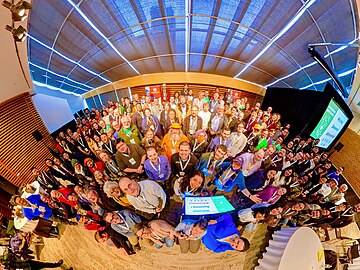 WikiConference North America 2023
 -
 Wiki Indaba Morocco 2023
 -
 WikiConvention francophone 2023
 -
 Wikimedia CEE Meeting 2023


The Community Resources team at Wikimedia Foundation supports the Wikimedia Foundation Funds. We offer funding opportunities, guidance, and other resources to the Wikimedia Movement.